
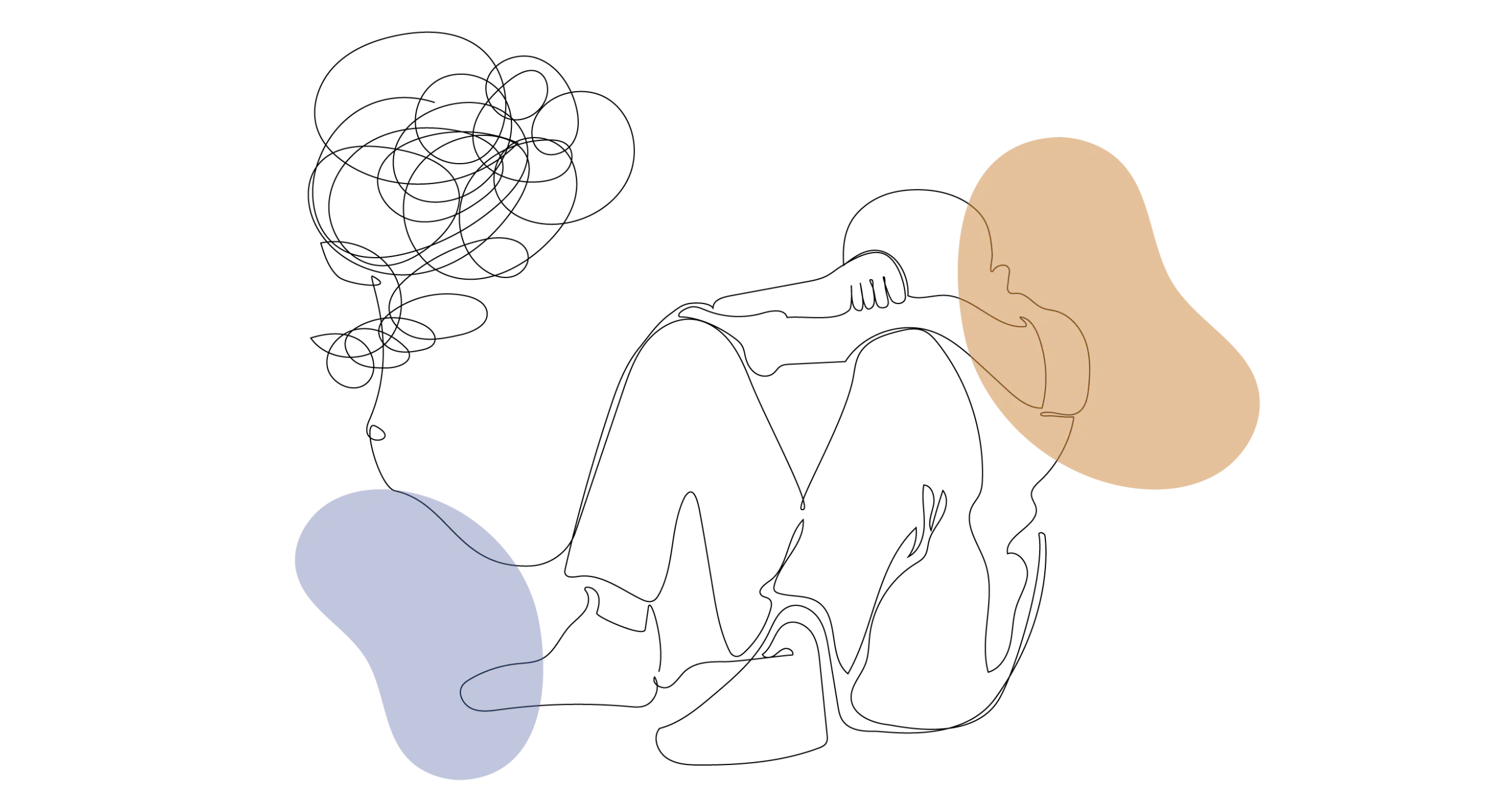
We address a range of excessive fears, worries, and distress that include:
- Agoraphobia
- Generalized Anxiety Disorder (GAD)
- Illness Anxiety Disorder
- Panic Disorder
- Social Anxiety Disorder (Social Phobia)
- Specific Phobias (including fear of medical procedures and swallowing pills)
- Separation Anxiety Disorder
- Selective Mutism
- Obsessive Compulsive Disorder
- Post-Traumatic Stress Disorder (PTSD) in childhood/adolescence
We use Exposure and Response Prevention Therapy (ERP) to treat anxiety and OCD in adults and youth. We also offer Trauma-Focused Cognitive Behavioral Therapy (TF-CBT) for our younger clients whose anxiety stems from a traumatic life experience. If a child or adolescent is not yet motivated to participate in therapy, treatment options for caregivers such as Supportive Parenting for Anxious Childhood Emotions (SPACE), are available.
Frequently Asked Questions
What types of trauma do you treat?
Our Trauma Service treats a wide range of traumatic experiences, including but not limited to physical or sexual assault, childhood abuse, domestic violence, accidents, natural disasters, military combat, and witnessing or experiencing violence. We provide care for both acute and chronic trauma.
What are common symptoms of trauma?
Common symptoms of trauma can include flashbacks, nightmares, severe anxiety, depression, irritability, emotional numbness, difficulty concentrating, and avoidance of places or situations that trigger memories of the trauma. Physical symptoms such as headaches, fatigue, and gastrointestinal issues can also occur.
What treatments are available for trauma?
Treatments for trauma typically include therapies such as Cognitive Behavioral Therapy (CBT), Eye Movement Desensitization and Reprocessing (EMDR), trauma-focused cognitive therapy, and somatic experiencing. In some cases, medication may be prescribed to manage symptoms such as anxiety or depression. Our service also offers group therapy and support groups to provide additional support.
How effective are these treatments for trauma?
Evidence-based treatments for trauma, such as CBT and EMDR, have been shown to be highly effective in helping individuals process and recover from traumatic experiences. Many patients experience significant improvement in symptoms and overall quality of life. The effectiveness of treatment can depend on factors such as the individual’s commitment to therapy, the severity of the trauma, and the presence of a supportive environment.
How do I know if I need professional help for my trauma?
If you are experiencing persistent symptoms that interfere with your daily life, relationships, or ability to function, it may be beneficial to seek professional help. This can include ongoing feelings of fear or helplessness, intrusive memories, avoidance behaviors, difficulty managing emotions, or physical symptoms linked to the trauma. Consulting with a mental health professional can help you determine the best course of action for your specific situation.